
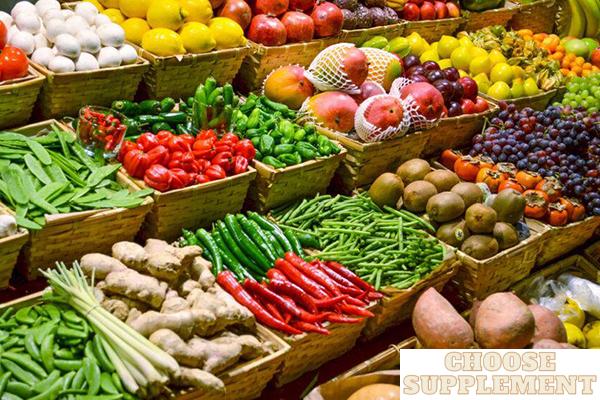
I’ve spent more than a decade diving deep into nutrition and human growth—sometimes obsessively, honestly—and the thing I’ve learned? It’s not just about genes. Not entirely. What we eat, especially during those awkward in-between years (you know—childhood through late teens), can shift the curve.
Height doesn’t just “happen.” It builds in stages—childhood, puberty, and early adulthood—when our bodies hit growth spurts and the growth plates (those cartilage zones near the ends of long bones) are still wide open. But here’s the kicker: nutrients fuel those plates. No fuel, no growth.
And yet, here in the U.S., I keep seeing the same pattern: kids eating loads of processed stuff but missing the basics. According to USDA dietary data, most teens fall short on calcium, magnesium, vitamin K, and fiber. Those aren’t bonus points—they’re the groundwork for bone mass, muscle growth, and nutrient absorption. (Especially during puberty, when everything’s going haywire.)
So if you’re asking, “Can vegetables help me grow taller naturally?” The honest answer is: they can support your body’s growth potential—if you’re still in a developmental phase and your diet’s been lacking.
Here’s my breakdown of the top 10 vegetables I’ve personally seen make a difference—both in nutrient profiles and in real-world growth cases. And yeah, I’ve slipped them into smoothies, stews, school lunches, and even pizza toppings.
1. Spinach – The Calcium and Iron Powerhouse
There’s this odd thing that happens with spinach: people either treat it like rabbit food or a miracle green. For me, it’s somewhere in between—but when it comes to bone strength and oxygen delivery, it absolutely earns its spot.
Calcium is the headline here. It’s what strengthens bones during critical mass-building years. But iron? That’s what moves oxygen to muscles, including during those teen years when bodies are racing to build lean mass.
Now, spinach does have oxalates (they block some calcium absorption), so what I usually do? Pair it with a source of vitamin C—like tossing it into tomato-based pasta sauce or eating it with a squeeze of lemon. Game changer.
Pro tip: Sautéed spinach with olive oil, garlic, and a hit of citrus—easy, fast, and kids surprisingly eat it.
2. Kale – Loaded with Vitamin K and Magnesium
I avoided kale for years. Too bitter. Too hipster. But then I saw what it was doing in the background—especially with vitamin K, which binds calcium to the bone matrix. Without enough K? Your calcium might just float around aimlessly.
Magnesium is the second big player here. It’s the quiet architect in cell division and enzyme function, helping growth happen on a cellular level.
In practice, I’ve found raw kale too harsh. But roasted or chopped into a cheesy quesadilla? Much easier to work into meals.
3. Broccoli – Boosts Growth Hormone Production
Here’s where it gets nerdy: broccoli may help stimulate IGF-1 (insulin-like growth factor 1), a hormone directly tied to growth. I first came across this in a clinical paper on cruciferous veggies and hormone balance—and then I started noticing it in teens who were suddenly getting taller, faster, with cleaner diets.
The reason? Compounds like sulforaphane and a decent dose of fiber, which keeps the gut healthy—and that’s where nutrient absorption actually happens.
I toss broccoli into stir-fries with sesame oil and garlic. Or roast it until it’s crispy at the edges (that’s when picky eaters forget it’s broccoli).
4. Carrots – Vitamin A for Cell Division
This one surprised me. I thought carrots were just for eyesight, but then I dug deeper. Turns out, vitamin A (specifically beta-carotene, the orange pigment) plays a massive role in cell turnover and bone tissue growth.
I’ve seen this matter most in younger kids—especially those going through early stages of growth. And let’s not ignore that vitamin A supports the immune system, which is crucial for keeping energy available for growth instead of illness.
Raw with hummus? Sure. But pureed into mac n’ cheese? That’s the move.
5. Sweet Potatoes – Full of Growth-Friendly Nutrients
I can’t talk about growth foods without shouting out sweet potatoes. They hit multiple targets: vitamin A, fiber, antioxidants, and slow-burning carbs. And unlike fast carbs, these actually help fuel sustained activity—which matters, since movement + nutrients = better growth impact.
I usually roast them in chunks or mash them with cinnamon and a bit of salt. Occasionally, I sneak them into pancake batter. That’s a story for another time.
6. Brussels Sprouts – Cellular Regeneration Support
Brussels sprouts get a bad rap—but when prepped right, they’re a detox and repair bomb. They’ve got glucosinolates (a sulfur compound that aids in cell repair) and strong antioxidants to reduce internal inflammation. That’s important because chronic inflammation messes with growth.
Think of it as behind-the-scenes maintenance. I roast them with balsamic and honey for a slightly sweet edge. Kids tend to like that better than boiled mush.
7. Okra – Bone-Strengthening Mucilage
Okra was something I only knew from gumbo growing up, but when I started looking into its calcium and folate levels, I took it way more seriously. Folate, in particular, helps during adolescence when cells are replicating like crazy.
Also—and this is weirdly underrated—the mucilage (that gooey texture) helps with digestion and nutrient absorption. It’s nature’s prebiotic, in a way.
It’s best sliced thin and flash-fried or tossed into a stew. Definitely not for every palate, but worth experimenting.
8. Collard Greens – Southern Staple for Growth
Collards remind me of family holidays, but they’re also rich in calcium, fiber, and vitamin A. They’re especially common in school lunches across the South—sometimes boiled to death, sadly—but when sautéed or cooked with broth, they’re earthy and satisfying.
They’re one of the more affordable, accessible greens in most grocery stores. Which matters when you’re trying to feed growing kids without blowing your budget.
9. Asparagus – Growth-Friendly B-Vitamins
If there’s one veggie I undervalued early on, it’s asparagus. Turns out, folate and riboflavin (B2) in asparagus help support protein synthesis, which is critical during growth phases.
I usually roast it with olive oil and lemon or cut it into pieces for pasta dishes. It’s seasonal, which makes it a spring favorite around here—but frozen versions work just fine.
10. Beet Greens – Often Overlooked but Nutrient Dense
Most people toss these. Huge mistake. Beet greens are packed with calcium, vitamin K, and iron—same nutrients you find in more expensive superfoods. And using them cuts down on food waste, which I care a lot about these days.
I chop them into scrambled eggs or throw them into green smoothies. They’ve got a slightly earthy flavor, but nothing overpowering.
Comparison Table: My Take on These 10 Growth-Supporting Veggies
| Vegetable | Key Nutrients | Best Use Case | My Personal Tip |
|---|---|---|---|
| Spinach | Calcium, Iron | Teen muscle + bone development | Boost iron absorption with citrus |
| Kale | Vitamin K, Magnesium | Cellular growth + bone density | Roast or hide in quesadillas |
| Broccoli | IGF-1 Support, Fiber | Hormonal growth balance | Roast for crispy edges kids love |
| Carrots | Beta-Carotene (Vitamin A) | Cell division, immune boost | Shred into baked goods |
| Sweet Potatoes | Complex Carbs, Vitamin A | Energy for active growth | Roast with cinnamon + sea salt |
| Brussels Sprouts | Antioxidants, Sulfur | Detox + cell regeneration | Balsamic roast to soften bitterness |
| Okra | Calcium, Folate | Nutrient absorption, bone growth | Slice thin and pan-sear |
| Collard Greens | Calcium, Vitamin A, Fiber | Budget-friendly bone nutrition | Cook low and slow in broth |
| Asparagus | B Vitamins | Protein synthesis during puberty | Add lemon and roast until just tender |
| Beet Greens | Iron, Vitamin K, Calcium | Zero-waste, nutrient-rich option | Blend into green smoothies |
Bonus: How to Actually Eat More of These Without Forcing It
Now, this is where the magic meets reality. It’s one thing to know what’s healthy—it’s another to work it into real American meals.
A Few Things That Work for Me:
- Frozen Veggies Save the Day: Brands like Green Giant or Birds Eye have pre-chopped frozen broccoli, spinach, and Brussels sprouts that make weeknight cooking faster.
- Sneak It In: Add kale to lasagna. Puree carrots into pasta sauce. Fold spinach into eggs. Kids barely notice.
- Batch-Cook and Freeze: Collards, sweet potatoes, and okra freeze well when cooked. Great for quick lunches.
- School Lunch-Friendly: Sweet potato muffins. Spinach in grilled cheese. Even asparagus in pasta salad.
- Make It a Side, Not a Battle: A little roasted veggie on the plate, no pressure. Over time, it sticks.
Final Thought: It’s Not Just Food—It’s Timing
What I’ve found is that nutrition and height aren’t linear. You can eat all the greens you want, but if your growth plates are already closed, it’s not going to stretch you taller. That’s why timing matters—kids and teens get the biggest impact. The earlier you build those habits, the more your body has to work with during the growth years.
And honestly? These veggies aren’t just “height boosters.” They build stronger bones, better digestion, immune resilience—all the stuff that lets kids grow into healthier, stronger adults.
Research Sources
- USDA MyPlate Nutrient Guidelines
- NIH Fact Sheet on Calcium
- Harvard T.H. Chan – Cruciferous Vegetables and Health

Hi there! My name is Erika Gina, and I am the author of Choose Supplement, a website dedicated to helping people achieve their height goals naturally and effectively. With over 10 years of experience as a height increase expert, I have helped countless individuals increase their height through diet, exercise, and lifestyle changes.
My passion for this field stems from my own struggles with being short, and I am committed to sharing my knowledge and experience to help others overcome similar challenges. On my website, you will find a wealth of information and resources, including tips, exercises, and product reviews, all designed to help you grow taller and improve your confidence and overall well-being. I am excited to be a part of your height journey and look forward to supporting you every step of the way.
Name: Erika Gina
Address: 2949 Virtual Way, Vancouver, BC V5M 4X3, Canada
Email: [email protected]


