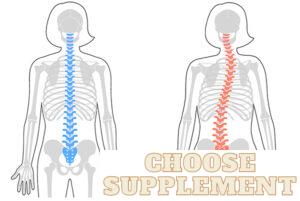
Let’s talk about one of the most common fitness rabbit holes people fall into—can running increase your height? I’ve been asked this more times than I can count, usually by teens just hitting their growth spurt, or by adults (like me) clinging to the hope we’ve still got a little “vertical potential” left. If you’ve seen TikTok videos claiming that jogging every day will “stretch your spine” or unlock new inches overnight… yeah, we need to talk.
This topic is packed with myths—especially in American fitness culture, where taller often equals “better” in everything from sports to dating apps. But does running actually make you taller, or is it just another social media exaggeration?
How Height Really Works (No, It’s Not That Simple)
Height is mostly genetic. You’re working with a blueprint passed down from your parents. But that doesn’t mean your environment doesn’t matter.
Here’s what’s going on behind the scenes:
- Genetics determine your “height ceiling” (your maximum potential)
- Growth plates, also called epiphyseal plates, are soft cartilage areas at the ends of long bones. These close after puberty—usually by age 18 for girls, 21 for boys.
- The pituitary gland releases Human Growth Hormone (HGH)—most of it during deep sleep.
- Hormones like testosterone and estrogen also affect the growth process, especially during adolescence.
So, once those growth plates are sealed, bone length can’t increase naturally. That’s why your actual height doesn’t change after your early 20s—but posture and decompression can make it feel like you grew.
What Running Actually Does to Your Body
Here’s where things get interesting. Running changes your body in a lot of ways, just… not the way TikTok says it does.
Physiological effects of regular running:
- Improves posture by strengthening your core and aligning your spine
- Enhances bone density through repetitive impact (which is good, not bad, in healthy doses)
- Decompresses your spine temporarily during movement—but also causes compression from vertical loading over time
- Boosts oxygen uptake and overall metabolic health
You might’ve heard of axial loading—that’s the force on your spine from gravity and movement. Yes, running applies vertical pressure (compression), especially over long distances. But your spine also rebounds with motion, kind of like a shock absorber. So while it won’t lengthen your spine, it might improve your posture, which can visually add 1–2 cm to your standing height.
Can Running Make You Taller During Puberty?
If you’re between 10 and 18, running can support your growth—but not because it stretches your bones.
What matters more:
- Sleep: Most HGH is released during deep sleep cycles
- Nutrition: You need vitamin D, calcium, and protein for strong bones
- Consistent movement: Running stimulates circulation and muscle development, indirectly helping with growth
In my experience training teens, I’ve noticed that running paired with sleep and solid nutrition often results in better posture and stronger, leaner builds—especially in the legs. That “longer look”? It’s usually postural, not skeletal.
Personal tip: If you’re a teen looking to maximize height potential, combine running with a bone-support supplement like NuBest Tall (especially if your diet’s lacking). It’s designed for growing kids and teens, and I’ve seen noticeable results when it’s part of a full routine—nutrition, sleep, and exercise together.
Does Running Affect Adult Height?
If your growth plates are closed (which they almost certainly are if you’re 25+), running will not make you taller. Sorry, I’ve tested every trick in the book.
But here’s what running can do for adult height:
- Improve spinal alignment (temporarily increasing standing height)
- Reduce slouching through postural muscle engagement
- Slow down age-related height loss by maintaining spinal and bone health
Now, about that daily height fluctuation (yes, it’s real): You can be up to 1 inch taller in the morning than at night due to spinal disc compression throughout the day. Running doesn’t reverse this, but staying active can help maintain a bit more of your morning height longer.
How Running Compares to Other Exercises for Height-Related Benefits
Let’s do a side-by-side comparison of the common “height-boosting” exercises I get asked about:
| Activity | Height Benefit | Posture Improvement | Spinal Decompression | Personal Take |
|---|---|---|---|---|
| Running | ❌ Skeletal height stays the same | ✅ Strong core and alignment | ⚠️ Minimal, sometimes compressive | Best for lean muscle and cardio |
| Swimming | ❌ No bone growth | ✅ Whole-body coordination | ✅ Excellent decompression | Great for posture + low impact |
| Yoga | ❌ No actual height gain | ✅ Posture + flexibility | ✅ Stretch-based decompression | My go-to for posture resets |
| Stretching | ❌ Can’t make you taller | ✅ If done regularly | ✅ Especially spine-focused routines | Use daily if you sit a lot |
If height is your goal and you’re still growing, combine multiple types of movement, and don’t rely on running alone. Add yoga or swimming to the mix—it’ll do wonders for flexibility and posture.
Step-by-Step: How to Run for Height Support (During Growth Years)
Want to build a running routine that supports height (while it’s still possible)? Here’s what I usually recommend to teens I work with:
- Run 3–5x a week
Stick to 30-minute light-to-moderate jogs. Too much intensity can stress joints in undernourished teens. - Pair runs with a stretch routine
Target hamstrings, hip flexors, and spine—prevents slouching and boosts flexibility. - Take NuBest Tall daily
Ideally with a meal that includes healthy fats. Consistency is key—results take months, not days. - Prioritize 8–10 hours of sleep
No cheat codes here. Deep sleep = growth hormone release. - Eat whole foods
Focus on calcium (dairy or leafy greens), protein (chicken, eggs, tofu), and vitamin D (sunlight or supplements).
What I’ve seen over the years: the kids who grow taller aren’t necessarily the fastest runners—they’re the most consistent with sleep, nutrition, and recovery.
Height, Fitness, and the American Myth
Here in the U.S., height has always been weirdly idealized. From basketball idols to fitness influencers, there’s this unspoken rule that taller = better. I’ve seen high school athletes obsess over getting taller just to get scouted—especially in sports like volleyball, basketball, and even track.
You’ll see tons of misleading advice on platforms like TikTok—”run 3 miles daily and grow 3 inches in 30 days!” (Please don’t fall for that.) Height myths are sticky in American culture, and they’re often tied to deeper insecurities we don’t talk about enough.
Interestingly, data from the CDC shows that the average U.S. male is about 5’9” and female is 5’4”—and that hasn’t changed much in decades. Height has plateaued in most developed countries due to genetic ceilings, not exercise habits.
Final Verdict: Can Running Make You Taller?
Running does not increase your bone height after puberty. That’s the truth, no matter what social media says.
But here’s what running can do:
- Improve posture, helping you stand taller
- Support spinal health, which helps with long-term height maintenance
- Stimulate natural growth factors during adolescence if paired with rest and nutrition
- Boost mental and physical health, which makes you feel more confident—height or not
What I recommend:
If you’re still growing, incorporate running with a full growth-support routine:
- Eat whole, nutrient-rich meals
- Prioritize sleep and recovery
- Take supplements like NuBest Tall
- Include posture work (yoga, stretching, or swimming)
If you’re an adult? Focus on posture, flexibility, and strength. Height might be fixed—but how you carry yourself isn’t.
And honestly? I’ve met people who are 5’6” that walk like they’re 6’2”—and that’s what sticks.

Hi there! My name is Erika Gina, and I am the author of Choose Supplement, a website dedicated to helping people achieve their height goals naturally and effectively. With over 10 years of experience as a height increase expert, I have helped countless individuals increase their height through diet, exercise, and lifestyle changes.
My passion for this field stems from my own struggles with being short, and I am committed to sharing my knowledge and experience to help others overcome similar challenges. On my website, you will find a wealth of information and resources, including tips, exercises, and product reviews, all designed to help you grow taller and improve your confidence and overall well-being. I am excited to be a part of your height journey and look forward to supporting you every step of the way.
Name: Erika Gina
Address: 2949 Virtual Way, Vancouver, BC V5M 4X3, Canada
Email: [email protected]