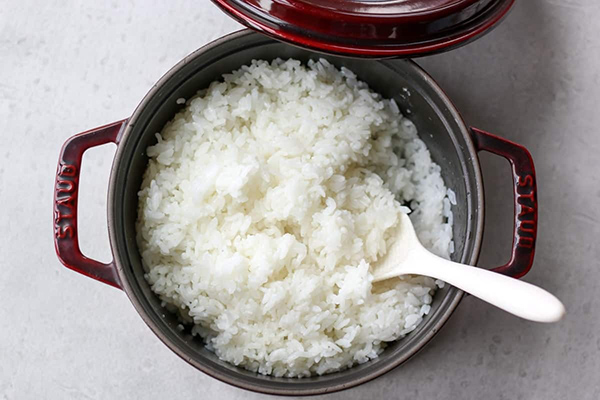
You’ve probably heard it—some random video on TikTok, a meme floating around Reddit, or maybe even a comment under a YouTube short: “Rice makes you shorter.” And honestly? At first, it sounds just believable enough to give you pause.
Especially if you’re a parent trying to feed your kid right, or someone who’s still hoping for a few extra inches of height (hey, I’ve been there). It’s easy to fall down the rabbit hole of health trends and viral “facts” that flood your feed. But rice making you short? That’s a claim worth digging into.
Let’s get to the bottom of where this idea came from, what the science actually says about human growth, and whether you really need to be eyeing that bowl of jasmine rice with suspicion.
Where Did the “Rice Makes You Shorter” Myth Come From?
So, how did rice end up getting blamed for stunted growth?
You can thank a mix of social media trends, cultural stereotypes, and good old-fashioned misinformation.
Over the past few years, I’ve watched dozens of TikTok “health gurus” throw around claims like “Westerners are taller because they eat more protein” or “Asians are shorter because of high-carb rice diets.” On the surface, they’ll show you height comparison charts between countries like the Netherlands and Japan, toss in a fast-cut video montage of meals, and act like they’ve cracked the code.
But what they leave out? Context. Tons of it.
Let’s break it down:
- East Asian countries like Japan, Korea, and Vietnam have traditionally consumed rice-based diets.
- Western countries tend to eat more animal protein and dairy.
- Statistically, Westerners are often taller on average—but that doesn’t mean rice is the cause.
This kind of logic falls into what I call “lazy nutrition math.” It’s a mix of correlation and bias, sprinkled with algorithm-driven virality. These platforms push dramatic, “did you know?” content because it hooks you, not because it’s accurate.
And underneath that? There’s often a hint of cultural bias—the unspoken assumption that non-Western diets are somehow “less than.” That part bugs me the most.
What Actually Determines Human Height?
Here’s what’s real.
Your height is primarily determined by your genetics. Full stop. If both your parents are tall, odds are good that you will be, too. If they’re shorter, you probably won’t end up towering over them no matter what you eat.
Scientifically speaking, here’s what plays a role in your height:
- Genetics – Your DNA controls about 60–80% of your height potential.
- Hormones – Especially growth hormone and IGF-1, which regulate bone growth during puberty.
- Nutrition – This is where food matters—but it’s not about avoiding rice. It’s about getting enough protein, calcium, vitamins (like D and B12), iron, and calories during critical growth years.
- Sleep & Recovery – Growth plates (the areas in your bones that add length) are most active during sleep.
- Physical Activity – Weight-bearing exercises support bone strength and stimulate natural HGH production.
So if you’re asking, “Does rice affect height?” the honest answer is: not really—unless it’s replacing more important nutrients.
Nutritional Breakdown: Is Rice Good or Bad for Growth?
Let’s talk rice, for real.
Rice is a carbohydrate-rich grain, primarily providing energy. And here’s where some nuance is needed: there’s a big difference between types of rice and how they fit into your diet.
| Type of Rice | Key Nutrients | Growth Impact |
|---|---|---|
| White Rice | Quick energy, lower fiber, low in micronutrients | Fine in moderation |
| Brown Rice | Higher in fiber, B vitamins, magnesium | Supports balanced diet |
| Jasmine/Basmati | Medium GI, fragrant, moderate nutrients | Neutral |
| Wild Rice | High in protein, fiber, antioxidants | Actually great! |
Now, rice isn’t “bad” unless it’s the only thing you’re eating.
What you need for growth is a mix:
- Proteins (chicken, tofu, beans)
- Healthy fats (avocado, nuts)
- Micronutrients (leafy greens, dairy, eggs)
And rice? It’s just one piece of that puzzle. If you’re pairing your rice with grilled salmon and some broccoli (which, let’s be honest, sounds delicious), you’re doing fine.
Where Does Rice Fit in the American Diet?
Rice isn’t exactly the go-to carb in most American households. In fact, compared to bread or pasta, rice ranks lower in average daily consumption—though that’s slowly changing thanks to fast casual chains and frozen rice bowls.
You’ve probably seen rice show up in:
- Chipotle burrito bowls
- Trader Joe’s microwavable brown rice
- Panda Express meals
- School lunches (if you’re lucky)
According to the USDA, Americans eat about 26 pounds of rice per year, compared to over 100 pounds of wheat products. So blaming rice for height issues in the U.S.? Not even close to plausible.
Can Too Much Rice Impact Growth?
Okay, let’s be fair—is there ever a scenario where rice could affect your growth negatively?
Yes. But only indirectly.
If you’re eating only rice, or you’re relying on it as your primary meal day after day without enough protein, healthy fat, or micronutrients, then yes—you could end up undernourished.
This is more common in regions facing poverty or food insecurity, not your average American home. Even in school lunches, rice is rarely served without some kind of side (though I wish the veggie portions were bigger, honestly).
Here’s the key: it’s not the rice, it’s the lack of diversity.
Also worth noting: white rice can contain trace arsenic, but you’d need to eat unrealistically high amounts for it to matter. Rinse your rice. Mix in other grains. Problem solved.
Cultural Nutrition vs. Biological Reality
Here’s the part I wish made it into more of those TikToks.
You’ve got athletes from Japan, South Korea, and China—countries with rice-heavy diets—who are well over 6 feet tall. I once trained with a Korean volleyball player who lived on rice, kimchi, and grilled fish. He was 6’5”.
The real story is that Asian diets are often incredibly balanced:
- Rice is paired with vegetables, tofu, fermented foods, and omega-3-rich fish.
- Meals are smaller but more nutrient-dense.
- Traditional diets have tons of variety.
It’s easy to forget that in many cultures, rice isn’t just a filler—it’s part of a deeply thought-out food system.
Should You Avoid Rice for Your Kids to Grow Taller?
Short answer: no.
Longer answer: please don’t demonize one food. What your kid needs is:
- Protein at every meal – eggs, beans, lean meat
- Calcium & vitamin D – milk, fortified cereals, leafy greens
- Plenty of sleep – at least 8–10 hours for growing kids
- Exercise – not just sports, but regular movement
- Less screen time – it’s tied to metabolic slowdown and poor sleep
Here’s what works (from my own meal planning):
- Build balanced plates – 1/4 protein, 1/4 carbs (like rice), 1/2 veggies
- Rotate carb sources – rice, potatoes, quinoa, whole wheat pasta
- Add healthy fats – avocado slices, olive oil drizzle, nuts
- Involve your kid – when they help cook, they eat better
- Stop stressing over one food – it’s the big picture that matters
Final Thoughts: Rice, Growth, and Rational Nutrition
Here’s what I want you to remember:
- Rice does not stunt your growth.
- Height is mostly genetics, supported by well-rounded nutrition.
- Myths like these spread fast because they’re simple—but human biology isn’t.
- Don’t fear carbs, especially not ones that billions of people thrive on.
- Balance over restriction—always.
You’re not doing your body—or your kid’s—any favors by cutting out a food group based on a viral claim. Instead, aim for variety, color, texture, and flavor on every plate. That’s what supports growth—not fear.
So yeah, go ahead and eat the rice. Just don’t forget the broccoli, salmon, and a good night’s sleep, too.

Hi there! My name is Erika Gina, and I am the author of Choose Supplement, a website dedicated to helping people achieve their height goals naturally and effectively. With over 10 years of experience as a height increase expert, I have helped countless individuals increase their height through diet, exercise, and lifestyle changes.
My passion for this field stems from my own struggles with being short, and I am committed to sharing my knowledge and experience to help others overcome similar challenges. On my website, you will find a wealth of information and resources, including tips, exercises, and product reviews, all designed to help you grow taller and improve your confidence and overall well-being. I am excited to be a part of your height journey and look forward to supporting you every step of the way.
Name: Erika Gina
Address: 2949 Virtual Way, Vancouver, BC V5M 4X3, Canada
Email: [email protected]